
Brighten & Correct: Understanding Uneven Skin Tone and Discoloration
By Dr. Desiree Eakin | EAKINMD Physician-Formulated Skincare
Healthy-looking radiance begins with understanding what your skin needs.
Discoloration and uneven tone can be caused by a combination of factors, including sun exposure, hormones, aging, and inflammation. Learn how a thoughtful skincare approach can help visibly improve clarity and support a more radiant, even-looking complexion.
Why Does Skin Develop Uneven Tone?
Our skin naturally produces melanin, the pigment responsible for its color. Melanin also plays an important protective role, helping the skin respond to ultraviolet radiation.
Sometimes, however, melanin production becomes uneven, resulting in dark spots, patches, or areas of discoloration.
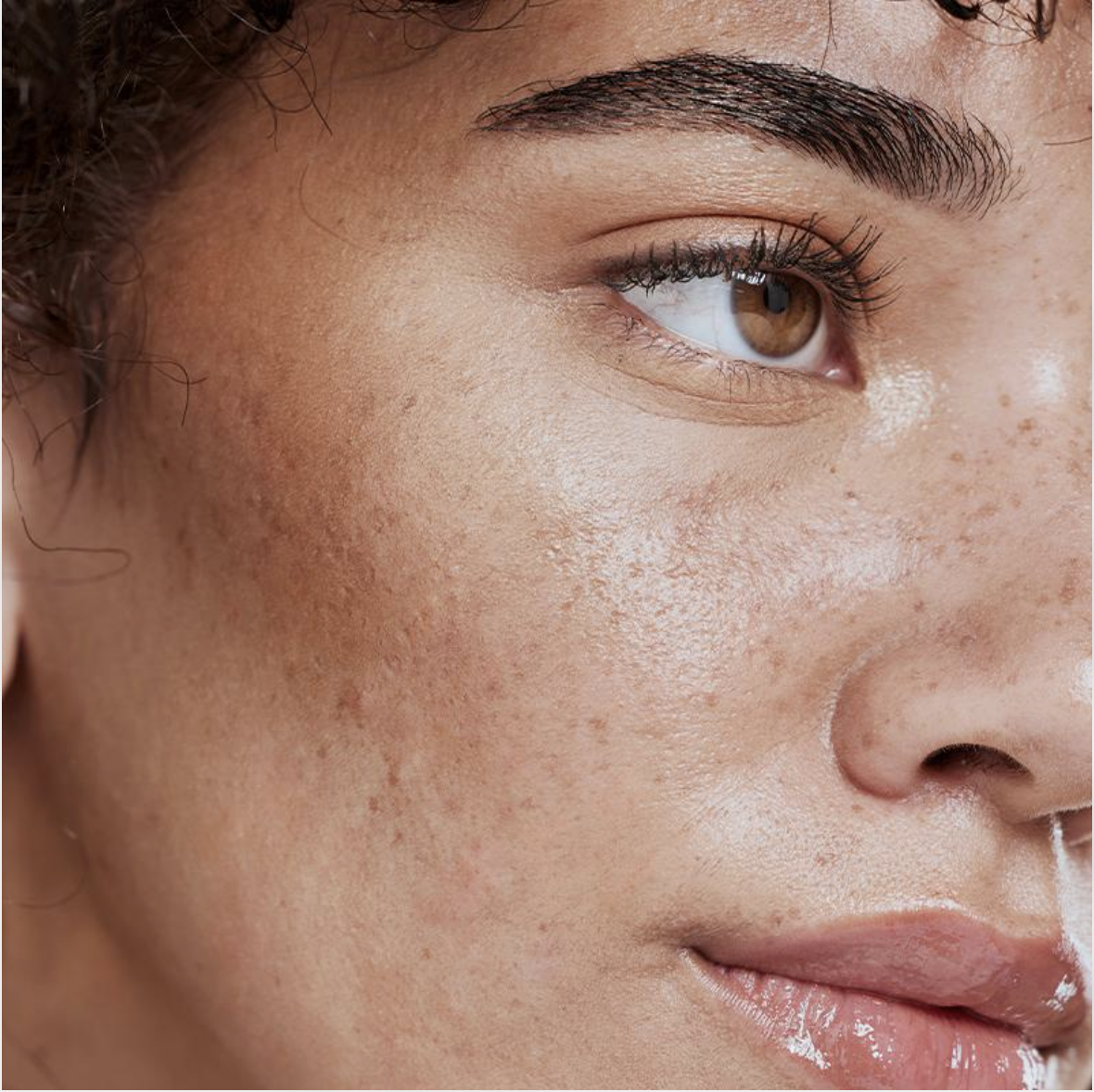
Common contributing factors include:
Sun exposure: Repeated ultraviolet exposure can stimulate excess pigment production, contributing to sunspots and uneven tone.
Hormonal changes: Hormonal fluctuations, including those associated with pregnancy and hormonal medications, can contribute to melasma.
Inflammation: Acne, irritation, and skin injuries may leave lingering dark marks called post-inflammatory hyperpigmentation.
Aging: Years of cumulative environmental exposure can lead to more noticeable variations in pigmentation.
Understanding the underlying cause matters because not all discoloration responds to the same skincare ingredients.
BRIGHTEN: Restoring the Appearance of Radiance
Brightening skincare is not about changing your natural skin color. It is about improving the appearance of dullness, dark spots, and uneven tone so your complexion looks healthier and more balanced.
Certain ingredients can help address oxidative stress, support skin renewal, and reduce the appearance of excess pigmentation.
Why Vitamin C Deserves Attention
Vitamin C is a well-studied antioxidant with several potential benefits for skin health.
In appropriately formulated topical products, it can help:
Protect against oxidative stress.
Support collagen synthesis.
Improve the appearance of certain types of discoloration.
Promote a brighter, more even-looking complexion.
EAKINMD Vitamin C Brightening Cream is part of our Brighten collection, offering an option for incorporating antioxidant-focused skincare into a daily routine.
A More Targeted Approach to Uneven Tone
Persistent dullness or uneven pigmentation may benefit from a more focused skincare approach.
EAKINMD Advanced Brightening Complex is designed for individuals seeking targeted support for a more radiant, uniform-looking complexion.
Selecting the appropriate brightening product should consider skin type, sensitivity, and the other active ingredients already in your routine.
CORRECT: Addressing Pigmentation and Visible Imperfections
Sometimes improving skin clarity requires addressing more than pigment alone.
Inflammation, clogged pores, and skin sensitivity may contribute to recurring blemishes and the discoloration that follows.
This is where carefully selected corrective ingredients can play an important role.
The Benefits of Azelaic Acid
Azelaic acid is a multifunctional skincare ingredient recognized for its anti-inflammatory properties and ability to influence excess pigment production.
Research supports its use in certain acne-related concerns, post-inflammatory hyperpigmentation, and melasma.
Depending on concentration and formulation, azelaic acid may help:
Improve the appearance of post-inflammatory dark marks.
Reduce certain types of uneven pigmentation.
Support clearer-looking skin.
Address inflammation associated with blemish-prone skin.
EAKINMD Azelaic Acid Refining Cream 10% offers an option within our Correct collection for individuals seeking a more balanced, refined-looking complexion.
As with other active ingredients, gradual introduction is especially important for sensitive skin.
Why Brightening and Correcting Work Together
Although brightening and correcting skincare share some goals, they address different aspects of skin appearance.
Brightening focuses on improving visible radiance and uneven tone.
Correcting takes a more targeted approach to concerns such as post-inflammatory discoloration, blemish-related marks, and irregular pigmentation.
For some individuals, one well-chosen product may be sufficient. Others may benefit from a carefully coordinated combination.
The goal is not to use more products. It is to use the right products for your skin.
A Thoughtful Approach to Your Daily Routine
A consistent routine may include:
Morning
Cleanse gently.
Apply an appropriate antioxidant or brightening product.
Moisturize as needed.
Finish with broad-spectrum SPF 30 or higher.
Evening
Cleanse to remove impurities and daily buildup.
Apply a targeted brightening or corrective treatment as directed.
Moisturize to support the skin barrier.
Daily sun protection remains essential because ultraviolet exposure can worsen existing pigmentation and contribute to new discoloration.
Avoid introducing several active products simultaneously. Skin irritation itself can worsen post-inflammatory pigmentation.
The EAKINMD Philosophy: Clarity Begins with Understanding
Uneven skin tone is common, but its causes are not always the same.
As a physician, I believe effective skincare begins by understanding what is happening beneath the surface rather than simply treating what we see.
Whether your concern is dullness, sun-related discoloration, or lingering marks after blemishes, a personalized approach can help you choose ingredients that support your skin without overwhelming it.
And while many pigment changes are benign, new, changing, or unusual dark spots deserve professional evaluation.
Radiant skin isn't about achieving perfection. It's about supporting clarity, balance, and confidence in your natural complexion.
Look deeper. Care intentionally. Radiate confidently.